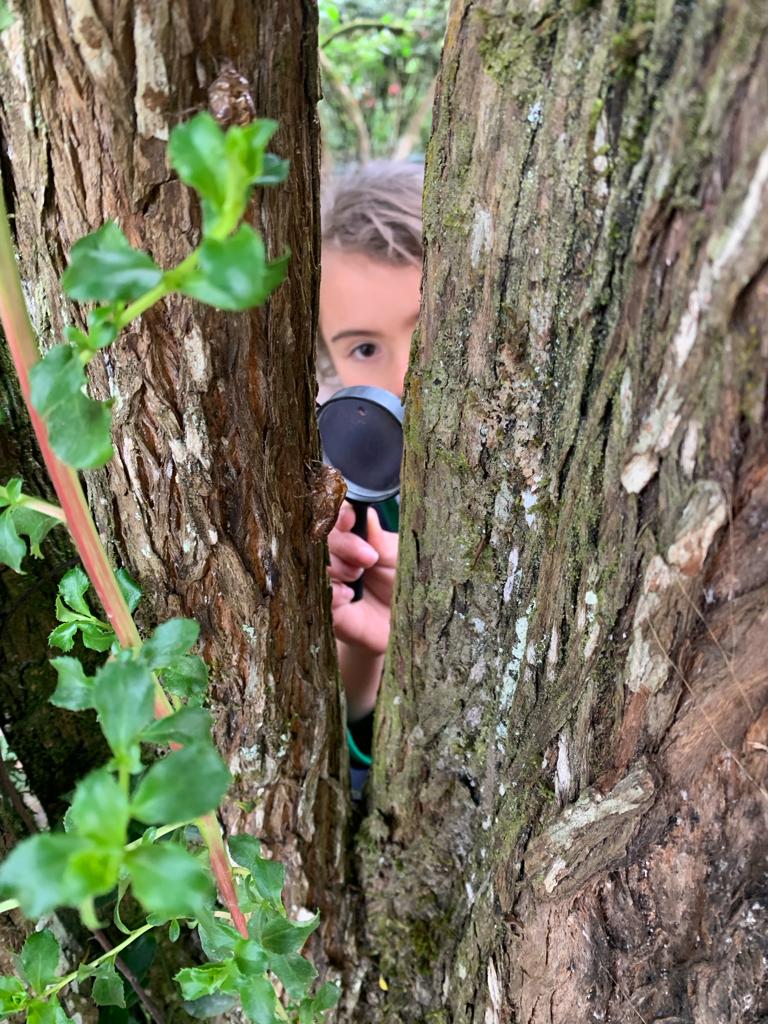
Our Forest School Facilities put students in direct contact with nature to learn with well-being, movement and curiosity.
The green environment promotes coordination, balance and health, in addition to sensory tolerance and observation of the physical environment (visual-motor development). The forest school methodology promotes exploration, teamwork and empathy.
Forest Schools or Forest Schools seek to connect and reconnect children with nature, based on sustainable environmental education that promotes deep learning through exploration, self-knowledge and care for the environment.
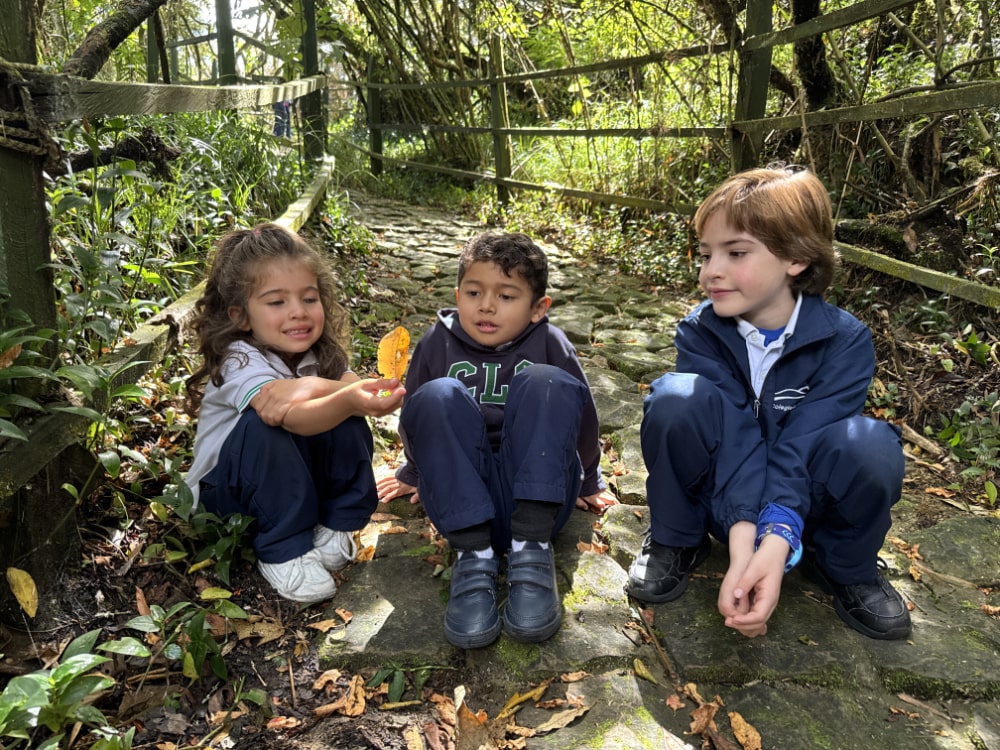
“Forest Schools” help develop social skills such as empathy, solidarity, teamwork, and frustration management. They also strengthen the immune system, physical endurance, fine and gross motor skills. They encourage divergent thinking, cognitive development, and concentration.

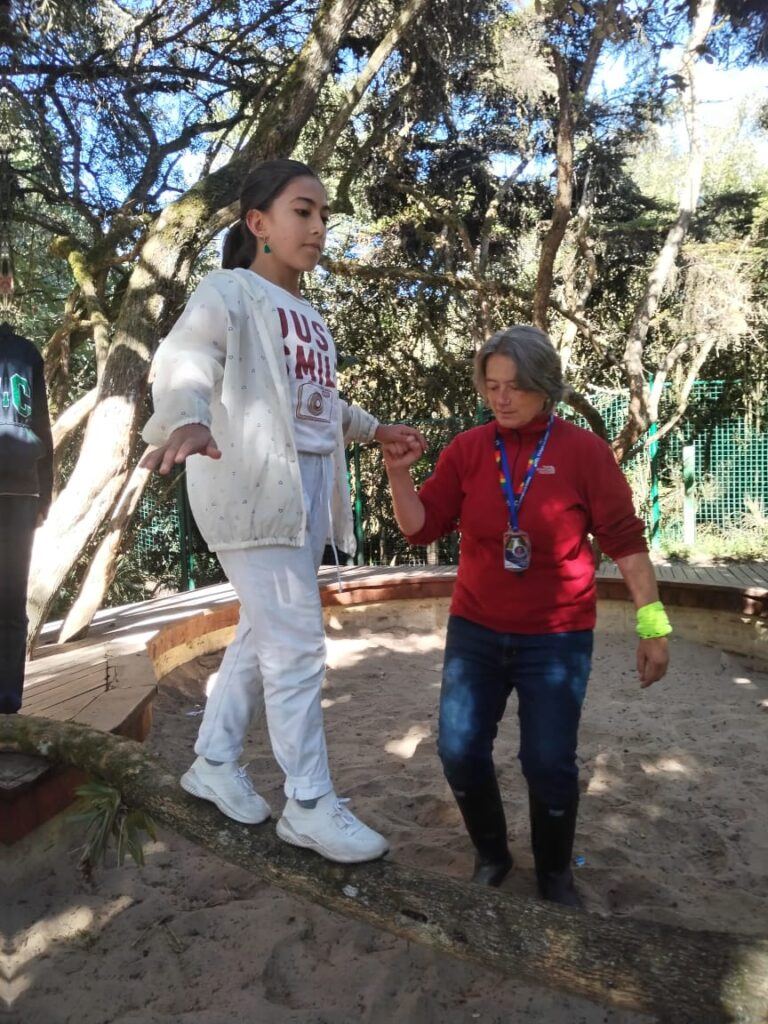
In a Forest School, learning occurs in direct contact with native nature, while in a country school this environment is not always guaranteed.
In addition, Forest Schools are usually located outside the city, offering a space free of the noise and air pollution that sometimes affects country schools located in urban areas.
Finally, its learning methodology is different from the traditional one: it focuses on exploration, direct experience and connection with the environment, promoting the comprehensive development of children.
Committed to environmental responsibility and the protection of our more than 11,000 m² of forest and natural environment.
We teach our students to respect and care for nature, integrating preservation and conservation actions into their daily lives. Through electives such as hiking and exploring, children participate in hiking, observing and cataloging fauna and flora, as well as camps and brigade and survival training. In the area of technology, we take learning one step further, with garden projects and innovation in automated systems for processes such as irrigation and tillage.
With more than 6 hours of training and 2 hours of exploration per month, our students develop orientation and survival skills while strengthening their physical endurance and connection with nature.
They learn to locate themselves by landmarks, camp safely without leaving a trace, set up and take down tents, cook with firewood, handle ropes on ascents and descents, and provide basic first aid, all in a safe and guided environment.
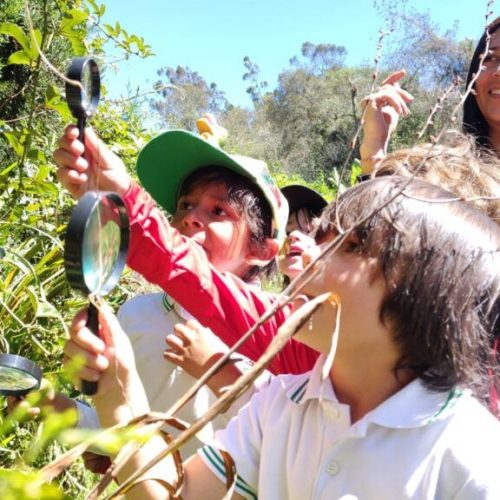
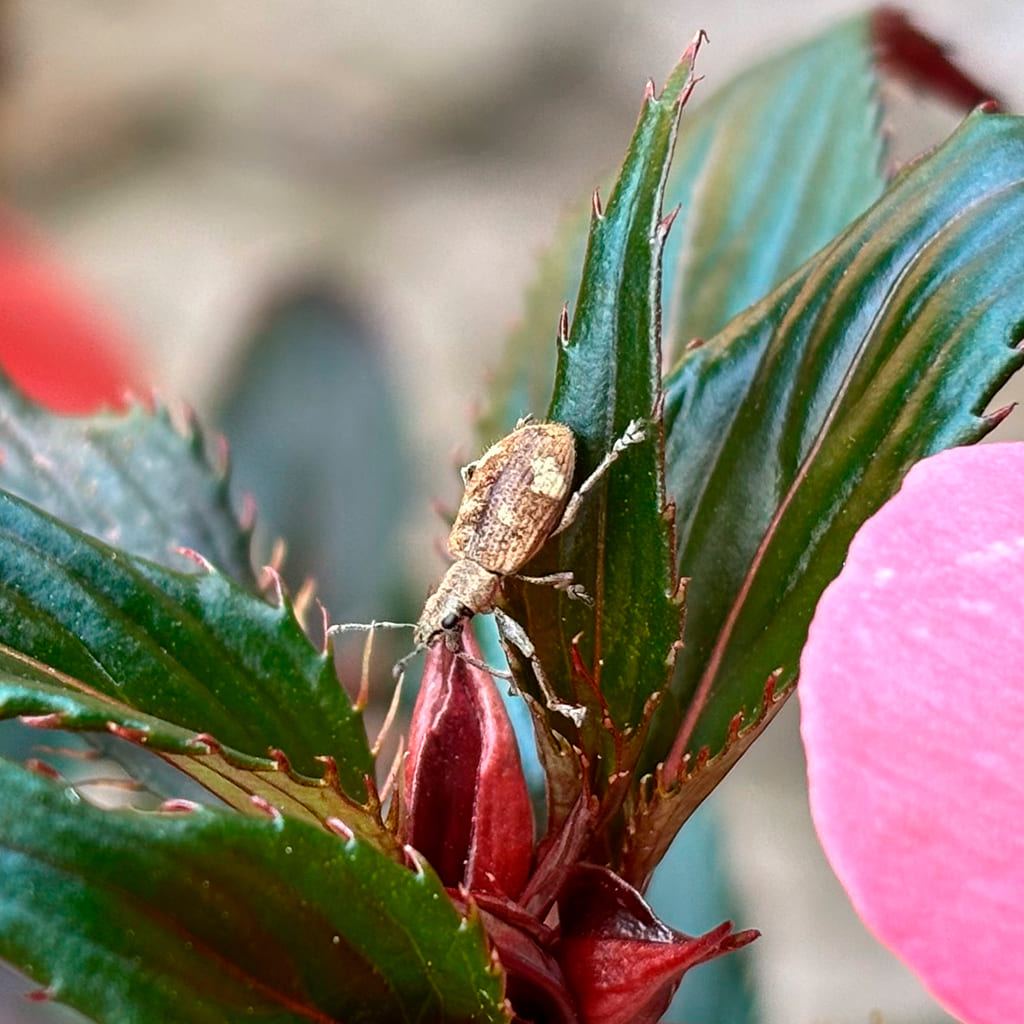
In the last six months, we have managed to identify more than 80 species in our nearby ecosystem. Of these, about 20 correspond to non-vascular plants such as mosses, lichens and ferns and 60 to vascular plants, among which orchids and shrubs such as Escallonia myrtilloides stand out, a species endemic to the region.
As for fauna, we have recorded around 40 species of arthropods (arachnids, butterflies and weevils), as well as the presence of the Savannah snake (Atractus crassicaudatus) in the group of reptiles. In the bird category, we have identified nearly 20 species, including the guan (Penelope montagnii) and the racket-tailed hummingbird (Lesbia victorae). In addition, thanks to phototrapping cameras, we have monitored mammals such as the opossum (Didelphis marsupialis) around the school.
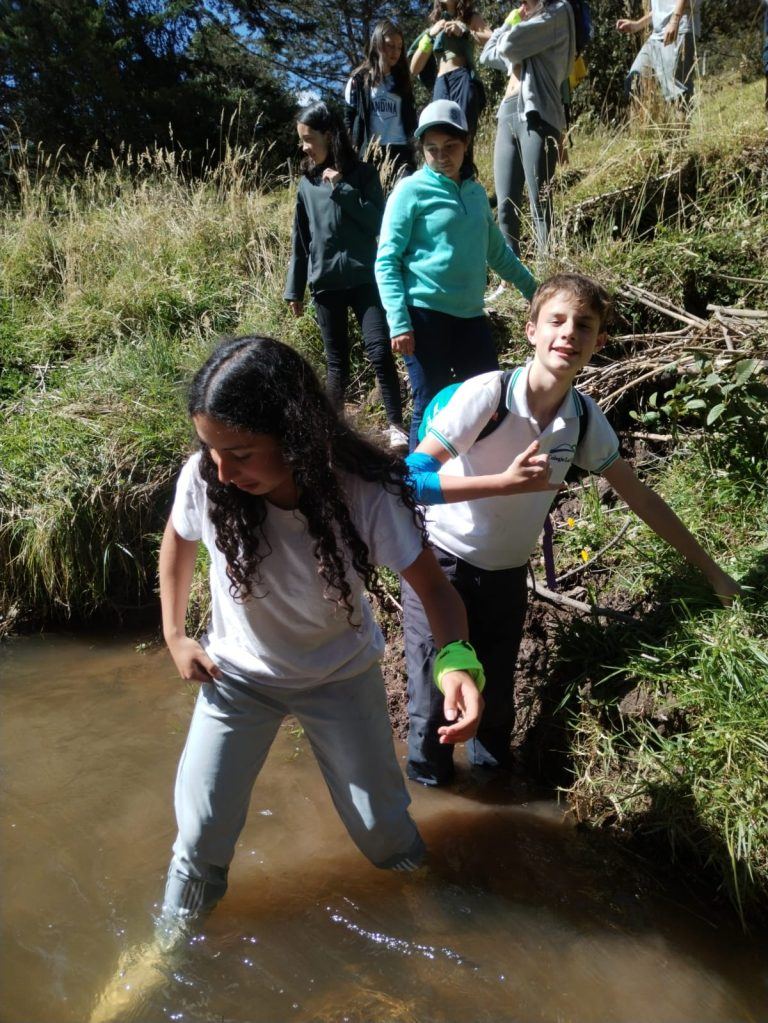
Currently, we also work on monitoring the aquatic ecosystem, in collaboration with the company Progresar S.A. E.S.P., to evaluate water quality using bioindicator organisms, ensuring updated information on biodiversity and the conservation of our natural resources.
At our school, caring for the environment is a priority. For this reason, we have an environmental committee made up of students and teachers, whose first objective is to improve the collection of plastic waste (PET) through the strategic installation of blue bins throughout the campus.
We have also implemented paper reuse strategies in the library and staff rooms, contributing to the reduction of tree felling.
The organic waste collected in the cafeteria is delivered to government entities, which transform it into animal food and natural fertilizers, thus promoting the circular economy.
Additionally, with the support of the leaders of each classroom, we promote our PRAE (Environmental and Educational Projects). These projects encourage the active participation of the school community, analyzing local, regional and national environmental problems, and proposing sustainable solutions adapted to our sociocultural and ecological realities.
At Colegio La Colina we manage our resources efficiently to guarantee educational and operational excellence. We work on strategic budget planning, technological updating, constant infrastructure maintenance and continuous training of our teaching and administrative staff.
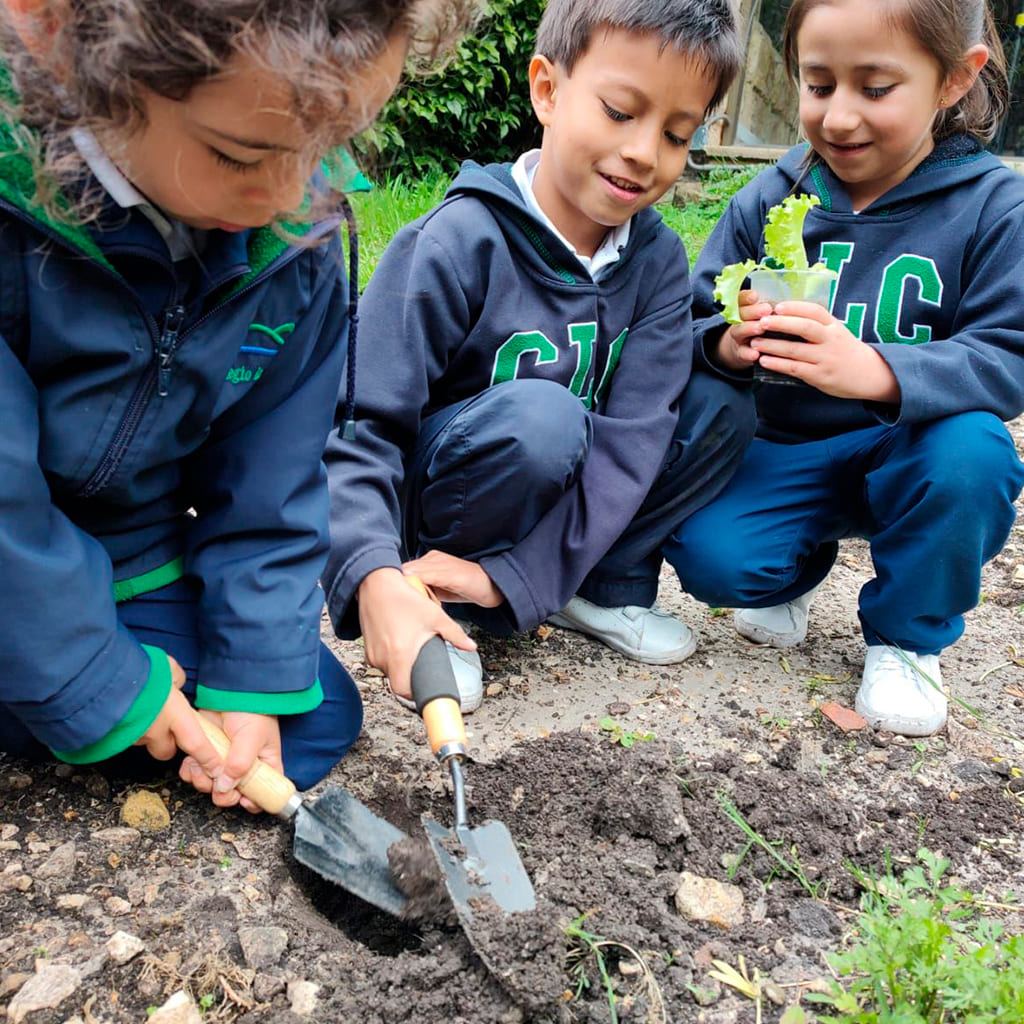
This comprehensive approach allows us to offer an optimal environment for learning and the comprehensive development of students, ensuring the sustainability and quality of our educational mission. Additionally, we take advantage of our natural environment to promote planting, harvesting activities and the responsible use of water, promoting environmental awareness throughout the school community.
En el Colegio La Colina fomentamos en toda la comunidad educativa la protección del medio ambiente que nos rodea. A través de la observación del bosque circundante y la conciencia sobre la represa San Rafael, promovemos el cuidado de los recursos naturales que nos brindan aire puro, agua y bienestar.
The responsible use of water is one of our pillars, integrating it into activities such as natural science classes, forest exploration, landscaping and terrain recognition in different academic areas. With these experiences we seek for our students to develop environmental awareness and extend these values to their homes and communities, thus contributing to the preservation and conservation of the environment for future generations.